Are condo fees in Downtown Sarasota confusing you? You are not alone. Fees vary widely from building to building, and reserves can be the difference between predictable costs and surprise assessments. In this guide, you will learn what condo fees cover, how Florida rules shape reserves, how to compare buildings using simple metrics, and what to ask before you buy. Let’s dive in.
What condo fees cover
Operating expenses
Operating expenses fund the day-to-day running of the community. Typical line items include building cleaning and maintenance, grounds care, common-area utilities, and contracts like elevator service, pool service, and pest control. Staffing and management costs usually include on-site managers, janitorial, security, and any property management company fees. Insurance premiums for the association’s master policy, plus accounting, legal, and admin, are part of operating costs.
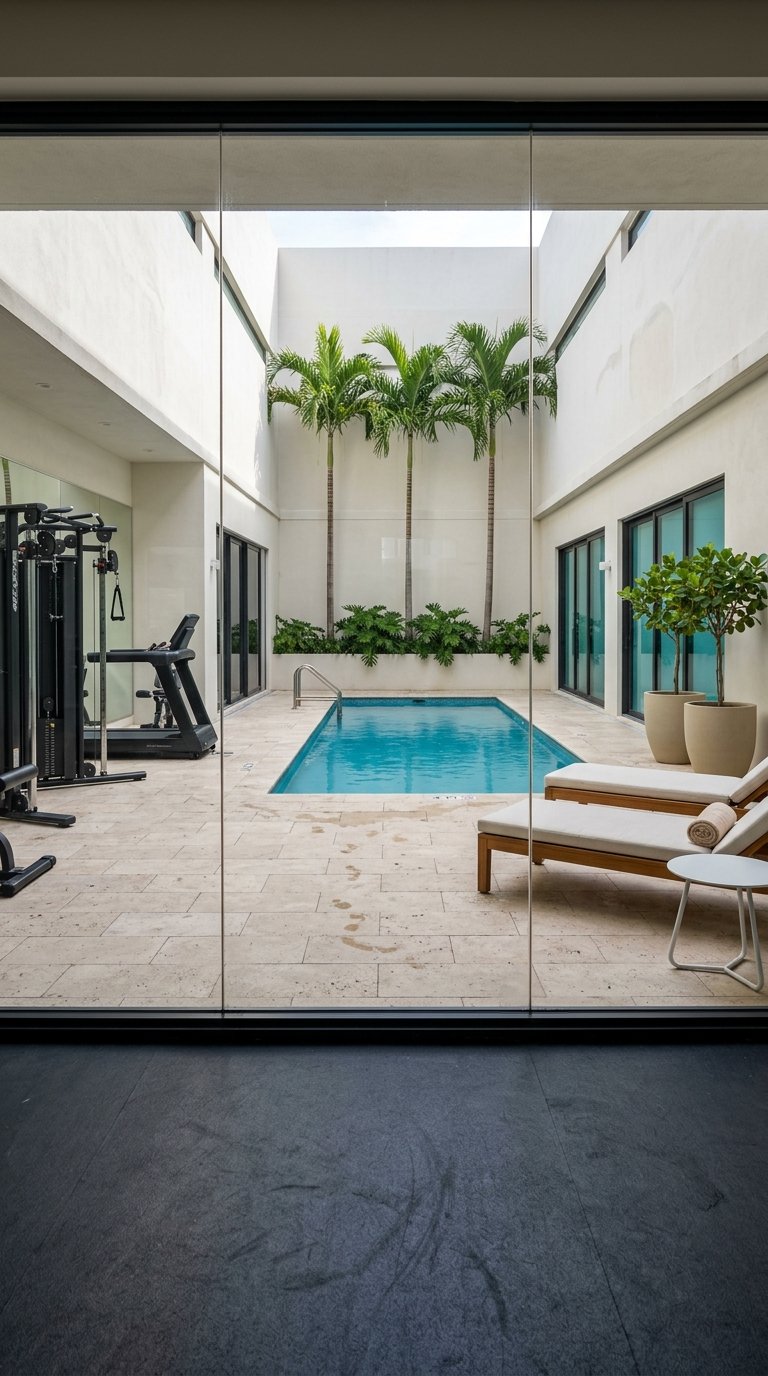
Amenities affect operating costs too. A fitness center, pool, concierge, garage, or valet service adds service contracts and staffing. If you are comparing buildings, be sure to compare amenities apples to apples. Two similar units may have very different fees if one tower runs more services.
Reserve funding
Reserves are funds set aside for future major repairs and replacements. Common reserve items include roof replacement, exterior painting and waterproofing, elevator modernization, structural concrete repairs, balcony and railing work, and major mechanicals like HVAC for common areas. Parking and garage repairs, paving, stormwater systems, pool resurfacing, and clubhouse updates also appear in typical reserve schedules.
Associations choose how much of the total budget to allocate to reserves. Building age, coastal conditions, and amenity load drive those needs. In Florida, hurricane exposure adds another layer of planning because the master policy may carry a percentage-based hurricane deductible. If reserves cannot cover a deductible after a storm, owners may face a special assessment.
Florida rules you should know
Budget and records basics
Florida’s Condominium Act (Chapter 718) governs association budgets, disclosures, and owners’ access to official records. Buyers can typically obtain the current budget, financial statements, and recent board meeting minutes. Associations must disclose whether the budget includes reserve contributions for capital expenditures and deferred maintenance. Reviewing these documents helps you understand both current costs and what is coming.
Reserve studies and funding
A reserve study inventories common components, estimates their remaining useful life, and builds a funding plan. Best practice is a comprehensive study with updates on a regular cycle, with more frequent reviews if major projects are looming. Florida does not universally require associations to be 100% funded. What matters to you is whether the current plan aligns with building age, condition, and upcoming projects.
After the 2021 Surfside collapse, there is heightened focus on structural condition and reserve adequacy. When you review records, look for engineering or inspection reports, recent special assessments, and capital project plans. If you see large structural repairs discussed, dig into scope, timelines, and how the work will be funded.
Insurance in Florida
Hurricane and windstorm risk shape both budgets and reserves. Many master policies use a percentage-based hurricane deductible that can be substantial in a serious event. The master policy typically covers the structure and common elements, while unit interiors often require an HO-6 policy. Confirm the association’s insurance limits and deductible, and ask whether the reserve balance could realistically cover the deductible after a storm.
How to compare buildings in Downtown Sarasota
Key metrics to calculate
- Monthly fee per square foot: Divide the monthly assessment by your unit’s interior square footage for an apples-to-apples view.
- Percent of budget to reserves: Annual reserve contributions divided by the total annual budget. This shows how aggressively the association is funding the future.
- Reserve balance vs. needs: Compare the current reserve balance to the total estimated replacement costs in the reserve study to gauge funding level.
- Operating cash position: Measure how many months of operating expenses are covered by the operating account. Very low months of cash is a red flag.
- Special assessment history: Track frequency and size over 5 to 10 years. Frequent or large assessments can signal underfunding or deferred maintenance.
- Litigation exposure: Note pending lawsuits such as construction defects or insurance disputes that may affect future costs.
Documents to request
- Current annual budget and recent monthly or quarterly financials
- Most recent reserve study and a summary or statement showing current reserve balance
- Financial statements for the last 2 to 3 years
- Board meeting minutes for the last 12 to 24 months
- Certificate of insurance and a summary of master policy deductibles and coverage
- Governing documents and any amendments affecting assessments
- Engineer or inspection reports, major service contracts, and warranties
- Planned capital projects for the next 3 to 5 years with estimated costs and timing
Red flags to watch
- Large or frequent recent special assessments
- Reserve studies older than 3 to 5 years or missing key components
- Minimal budget allocation to reserves or a low reserve balance relative to needs
- Very large insurance deductibles without a realistic plan to cover them
- Pending litigation that could increase fees or delay projects
- Rapid turnover of management or board instability
- Ambiguous documents about who pays for certain damages
Step-by-step comparison
- Normalize fees by square foot for each unit you are considering.
- Note the percent of budget devoted to reserves and compare reserve balances to the study’s total component costs.
- Review the last 3 years of budgets to see trends in fees and reserve growth.
- Scan board minutes for upcoming projects, loan discussions, and assessments.
- Check the master policy deductible and consider whether reserves could reasonably cover it after a storm.
- Call the management company to clarify anything unclear in the records and confirm timelines.
Downtown Sarasota considerations
Coastal exposure and building age
Downtown Sarasota’s coastal climate brings salt air, humidity, and storm risk. These conditions accelerate wear on exterior concrete, railings, waterproofing, and window systems. Many local condominiums date to the mid to late 20th century, which can increase near-term capital needs for roofs, balconies, garage structures, and envelope work. Reserves in older coastal buildings should reflect that reality.
Amenities and staffing
Luxury towers with concierge, valet, heated pools, and fitness centers offer a great lifestyle but require larger operating budgets and more complex reserves. Buildings with extensive amenities may appear more expensive month to month, yet their services might enhance day-to-day living and long-term appeal. When you compare, line up amenity profiles to avoid mistaking added value for overspending.
Insurance market reality
In a hurricane-prone region, insurance premiums and deductibles are significant budget drivers. Ask for the certificate of insurance and the declarations page to see limits and deductibles. Clarify whether the current reserve balance and funding plan could handle a plausible deductible. Your own HO-6 policy should be designed to coordinate with the master policy, including any needed loss assessment coverage.
Smart questions to ask
Ask your agent
- Can you obtain the current budget, reserve study, recent board minutes, certificate of insurance, and financial statements?
- How do this building’s fees compare to others downtown on a per-square-foot basis with similar amenities?
- What is the history of special assessments over the past 5 to 10 years?
- Are there recent structural inspections, engineering reports, or major repairs I should review?
- Are there rental or occupancy rules that could affect flexibility or future resale?
Ask the association or management
- What is the current reserve balance, and where are reserves held?
- Can you share the most recent reserve study and the 5 to 10 year replacement schedule?
- What percent of the budget is allocated to reserves, and has that changed recently?
- Have there been special assessments in the last 5 years? What were the reasons and amounts?
- What does the master policy cover, and what are the hurricane and windstorm deductibles?
- Is there any pending or recent litigation that could affect assessments?
- What major projects are planned in the next 12 to 36 months, and how will they be funded?
- Who manages the property, and what is the management contract term and fee structure?
Quick buyer checklist
- Get: current budget, reserve study, reserve balance, 12 to 24 months of minutes, certificate of insurance, governing documents.
- Compute: fee per square foot, percent of budget to reserves, reserve balance vs. estimated needs, months of operating cash.
- Ask: special assessment history, pending litigation, upcoming capital projects, insurance deductibles and carrier, management structure.
- Investigate: building age and condition of roofs, balconies, garage, and elevators, plus any engineering reports.
- If you see red flags, consult a condominium attorney or qualified engineer before proceeding.
Final thoughts and next steps
The lowest monthly fee is not always the best value. A well-run association with realistic reserves and clear plans can protect you from large unexpected costs and support long-term property value. Approach each building with the same framework, compare on a per-square-foot basis, and read the records for what they reveal about risk and readiness.
If you want a data-informed, concierge approach to navigating Downtown Sarasota condos, connect with Fernando Viteri for a personalized plan and side-by-side building analysis.
FAQs
What drives differences in condo fees downtown?
- Fees reflect staffing, amenities, insurance premiums, utilities, and reserve contributions, all influenced by building age, size, and coastal exposure.
How can I tell if reserves are adequate before buying?
- Review the reserve study, compare the current reserve balance to total estimated replacement costs, and note what percent of the budget funds reserves.
What is a special assessment and why does it happen?
- It is a one-time charge to owners for costs not covered by the budget or reserves, often for major repairs, storm deductibles, or unexpected issues.
What does the master policy cover compared to my HO-6?
- The master policy usually covers structure and common elements, while an HO-6 covers your unit’s interiors and liability; coordinate coverages to avoid gaps.
Are older Downtown Sarasota buildings riskier to own?
- Not necessarily, but older coastal buildings often need higher reserves for concrete, waterproofing, roofs, and elevators; document quality is key.
Do amenities like concierge and valet increase resale value?
- They increase operating costs, yet can enhance lifestyle and market appeal; compare fees alongside amenity quality, location, and building condition.