Thinking about a gated community and torn between Lakewood Ranch and University Park? You are not alone. Both offer privacy, security and amenities, but the day-to-day feel and costs can be very different. In this guide, you will learn how the two lifestyles compare, what home types and fees to expect, and how to run a clean, apples-to-apples comparison for your shortlist. Let’s dive in.
Quick snapshot: two gated lifestyles
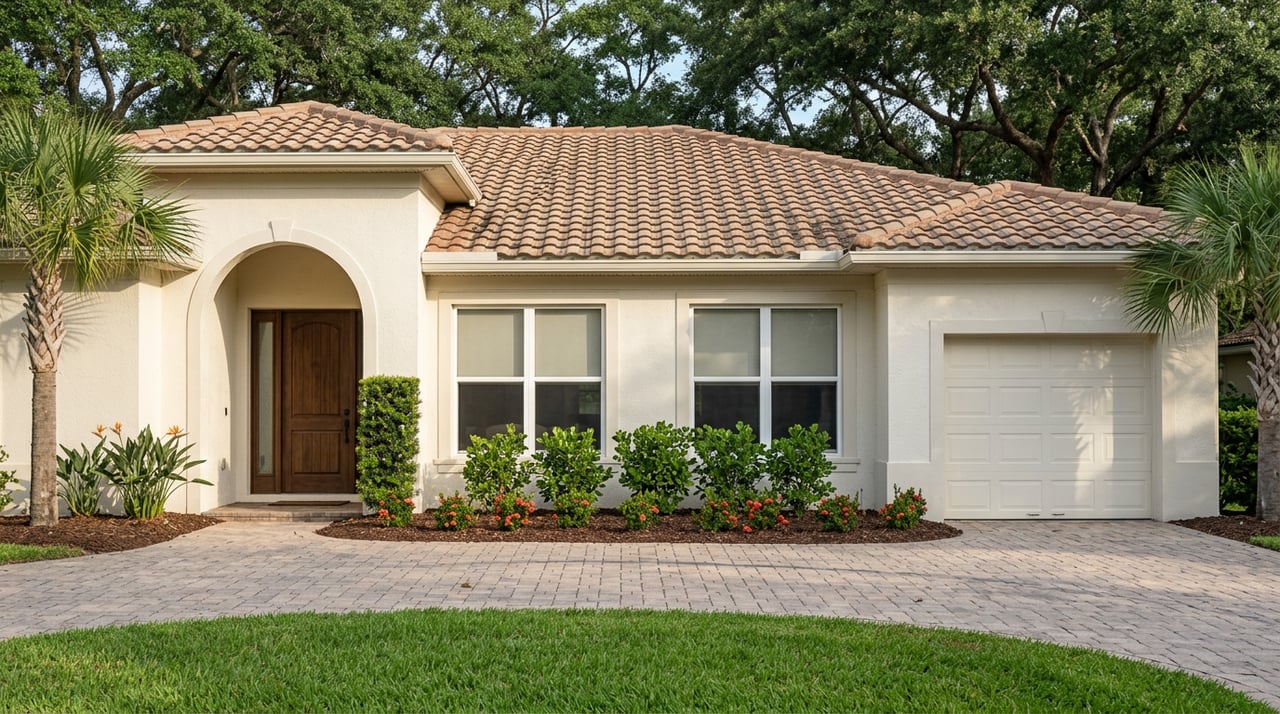
Lakewood Ranch is a large master-planned area with many gated villages and a wide mix of homes. You will see everything from condos and villas to single-family and luxury estates, including new construction. The lifestyle emphasizes parks, trails, retail and community programming that supports year-round living.
University Park is centered on an established country-club lifestyle. The community highlights golf, dining and social programming with mature landscaping and a quieter, private feel. Some neighborhoods may have age restrictions, so you will want to confirm rules for each pocket.
Homes and neighborhoods: what you will find
Lakewood Ranch options
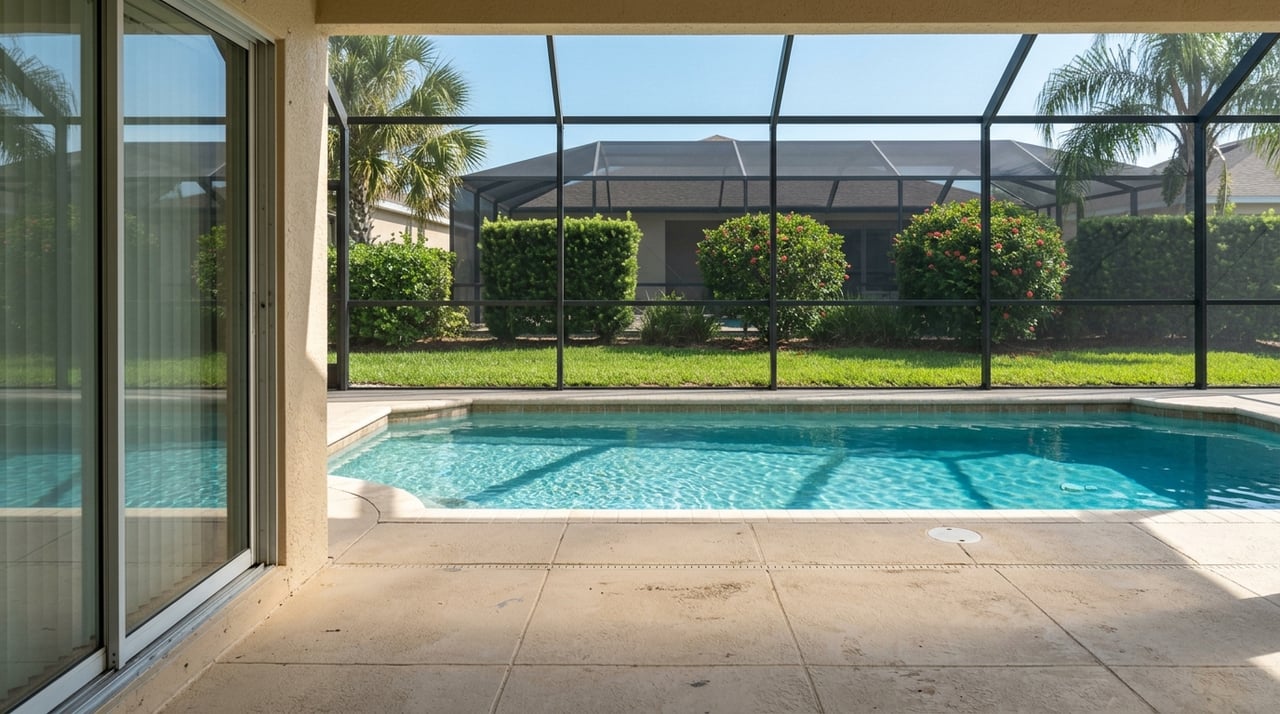
In Lakewood Ranch, you can shop a broad range of property types across multiple price bands. Newer villages continue to deliver modern floor plans, energy-efficient systems and resort-style neighborhood amenities. Turnover is steady, so you often have a healthy selection of listings across condos, villas and single-family homes.
University Park options
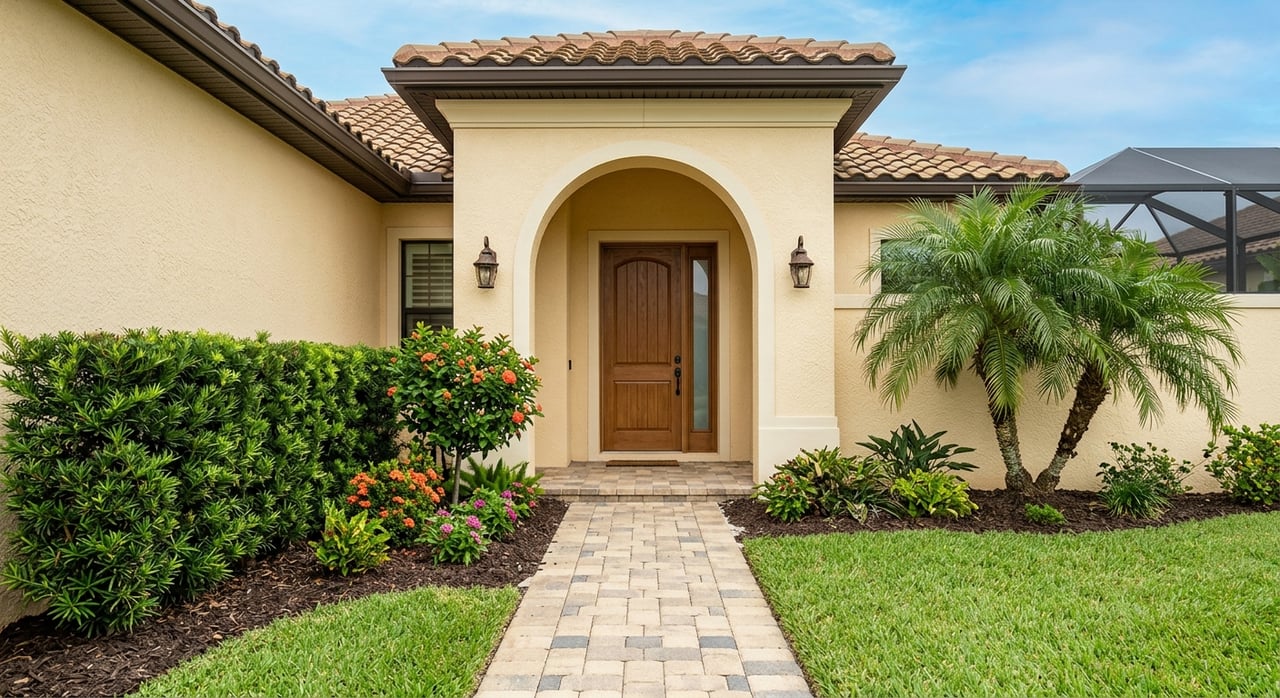
In University Park, most homes are single-family or villa/patio styles with earlier build years. You will see renovations and updates in many properties. Inventory can be more limited and resale values often reflect the strength of the club experience and the condition of facilities. Confirm whether any age restrictions apply in the section you are considering.
Amenities, clubs and fees
Understanding the fee stack helps you compare total monthly costs across communities and listings. Here are the common pieces you will encounter:
- HOA dues. Pay for common-area maintenance, gate/security, landscaping, some recreation facilities, management and insurance for common areas.
- CDD assessments. In newer, master-planned areas you may see a Community Development District fee on your annual tax bill for long-term infrastructure repayment.
- Club costs. Some communities feature golf and social clubs with one-time initiation fees and ongoing dues. Membership can be optional or required depending on the property and neighborhood rules.
- Special assessments and reserves. Check the association’s reserve strength and any planned projects.
Below is a quick, general comparison of how costs typically align. Always confirm details for a specific property.
| Cost category | Lakewood Ranch snapshot | University Park snapshot |
|---|---|---|
| HOA dues | Common for all gated villages; cover community maintenance and amenities | Common for all neighborhoods; cover community maintenance and services |
| CDD | Often present, especially in newer villages; appears on tax bill | Less common; verify on a per-property basis |
| Club membership | High-end private clubs may be optional and separate from HOA | Club culture is central; dues can be a significant cost and may be required depending on the property |
| Rental rules | Vary by village; many allow seasonal rentals with minimum terms | Vary by neighborhood; verify minimum lease terms and caps |
| Age restrictions | Generally rare; most LWR villages are all-ages | Some sections may be 55+; confirm rules in CC&Rs |
| Resale drivers | Neighborhood amenities, age of home, ongoing new construction | Club vitality, course and facility condition, home updates |
What to request before you compare costs
For any home you are evaluating, ask for the following so you can calculate a realistic total monthly number:
- Most recent HOA budget and year-to-date financials.
- Reserve study and insurance summary for common areas.
- Last 6–12 months of board meeting minutes.
- CC&Rs, bylaws and community rules.
- Any pending special assessments or litigation disclosures.
- If applicable, the CDD debt schedule and the amount on the current tax bill.
- Club membership documents, including initiation fees, dues and transfer policies.
- Rental rules and minimum lease durations.
Location and commute: everyday life
Lakewood Ranch sits east of I-75 and functions like a small city with its own schools, parks, shopping and healthcare nearby. If you want most of your daily needs close by, this layout can reduce driving.
University Park is closer to some coastal Sarasota areas and may offer shorter drives to beaches, cultural venues and Sarasota-Bradenton International Airport, depending on the exact neighborhood. The country-club hub means many social events happen inside the gates.
Plan for seasonal traffic swings on University Parkway, SR-64 and I-75. If commute time matters, test your routes during peak hours using live navigation and check both weekday and weekend patterns.
Insurance and property condition checks
Flood risk varies by property, so confirm flood zone status and whether flood insurance is required. Review windstorm protections, roof age and code compliance for hurricane standards. In more mature neighborhoods, ask about tree maintenance and aging infrastructure. In newer areas with CDDs, understand how long the assessments last and what they fund.
Which fits you? Buyer scenarios
- Active adult who values golf and social life. If you want a private club with a full calendar, prioritize membership terms, initiation fees, club access and course condition. University Park can be a strong match if the club environment aligns with your goals.
- Family or full-time primary residence. If schools, parks and everyday convenience lead your list, focus on village amenities, play spaces, trails and proximity to services. Lakewood Ranch often suits year-round living with a variety of all-ages neighborhoods.
- Second-home or seasonal owner. If you prefer lock-and-leave convenience, look for villas or condos with exterior maintenance included. Both areas can work well depending on whether you want a resort-style village vibe or a quieter club-centered season.
- Investor or rental-focused buyer. Confirm rental rules and minimum lease terms for each HOA. Many gated communities limit short-term rentals, so read the covenants carefully before you underwrite returns.
How to compare real homes side by side
Create a simple worksheet and fill it with current listing data for each property you like. Use the same fields so you can compare true monthly totals and lifestyle fit.
- Community and neighborhood name.
- Home type and year built.
- Beds, baths, square footage and lot size.
- HOA dues and what they include.
- CDD fee status and annual amount, if any.
- Club membership initiation and ongoing dues, and whether they are mandatory.
- Rental rules and any age restrictions.
- Flood zone status and notable insurance items.
- Transfer fees or capital contributions at closing.
- Lifestyle highlights such as golf, fitness, pools, trails and proximity to beaches or airport.
Tip: Build a monthly cost line for each home that includes HOA, CDD, club dues, estimated taxes, and insurance. That single number makes the comparison clear.
What to verify before you offer
- CC&Rs, rules and any proposed changes in recent board minutes.
- HOA financial health, reserves and planned capital projects.
- All fee schedules: HOA, CDD, club initiation and dues, and any transfer or capital contributions.
- Rental rules, lease minimums and enforcement practices.
- Flood zone, windstorm protections and roof age.
- Club membership availability and transfer policies if you plan to golf or use social facilities.
Next steps
The right choice depends on how you want to live day to day, your budget for monthly fees and whether club culture or a master-planned village fits you best. If you want a curated shortlist and a clean total-cost comparison tailored to your move, let an expert do the heavy lifting. Reach out to Fernando Viteri for a concierge, data-informed plan and on-the-ground tours that match your lifestyle.
FAQs
What is the main difference between Lakewood Ranch and University Park for gated living?
- Lakewood Ranch offers many gated villages with newer construction and broad amenities, while University Park centers on an established country-club lifestyle with golf and social programming.
How do HOA and CDD fees typically differ between the two areas?
- Lakewood Ranch often includes both HOA dues and a CDD line on the tax bill, especially in newer villages, while University Park may have HOA dues plus separate club costs and fewer properties with CDDs.
Are club memberships mandatory when buying in University Park?
- It depends on the property and neighborhood rules; some homes require specific membership types while others offer optional memberships, so review the CC&Rs and club documents.
What should I budget beyond the mortgage when comparing homes?
- Include HOA dues, any CDD assessment, club initiation and monthly dues if applicable, property taxes, homeowners and wind or flood insurance, and potential special assessments.
Do these communities allow short-term rentals for seasonal use?
- Rental policies vary; many gated communities enforce minimum lease terms and caps, so confirm the HOA’s rules and enforcement before you buy.
Which area is better for access to beaches and the airport?
- University Park may offer shorter drives to some Sarasota beaches and Sarasota-Bradenton International Airport depending on the specific neighborhood, but confirm drive times during peak hours.