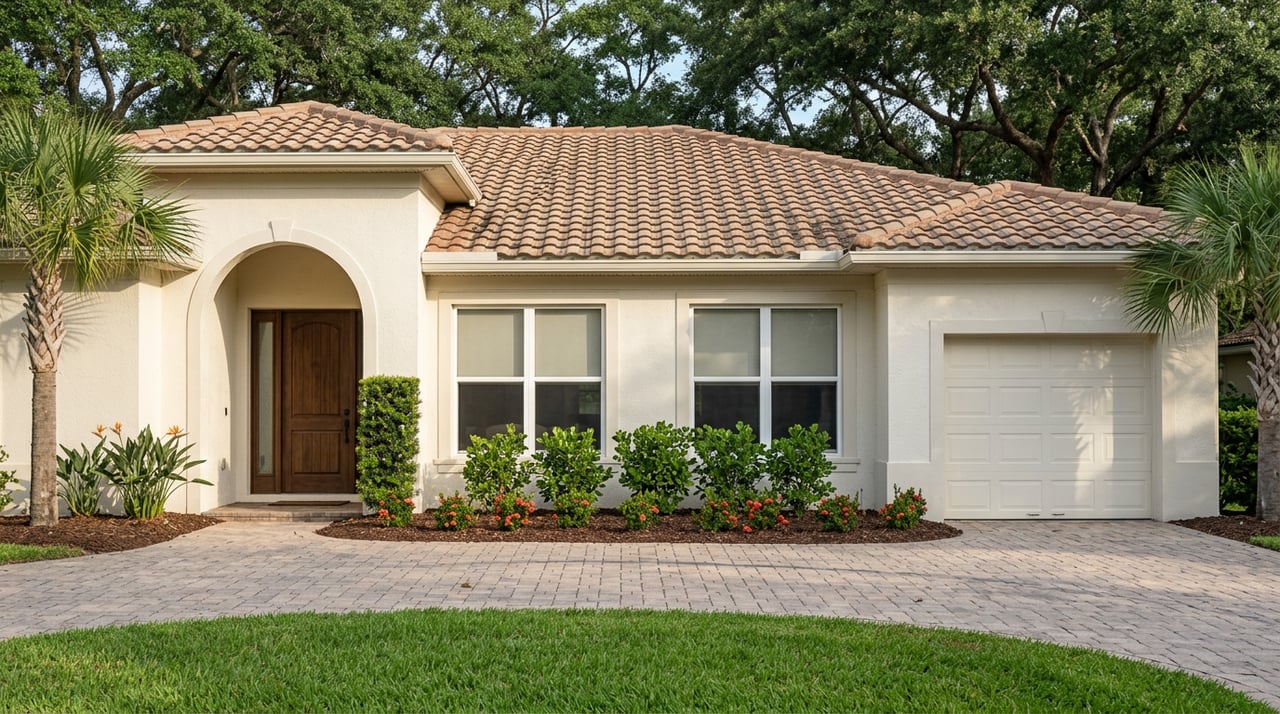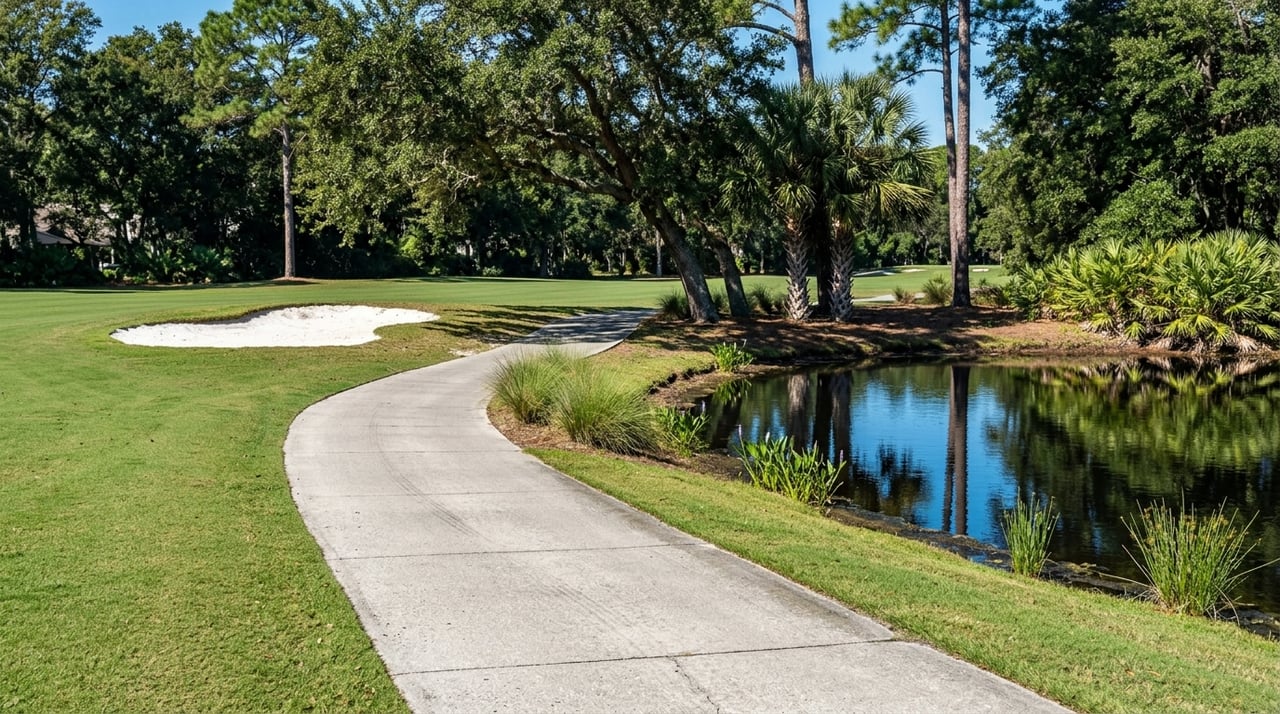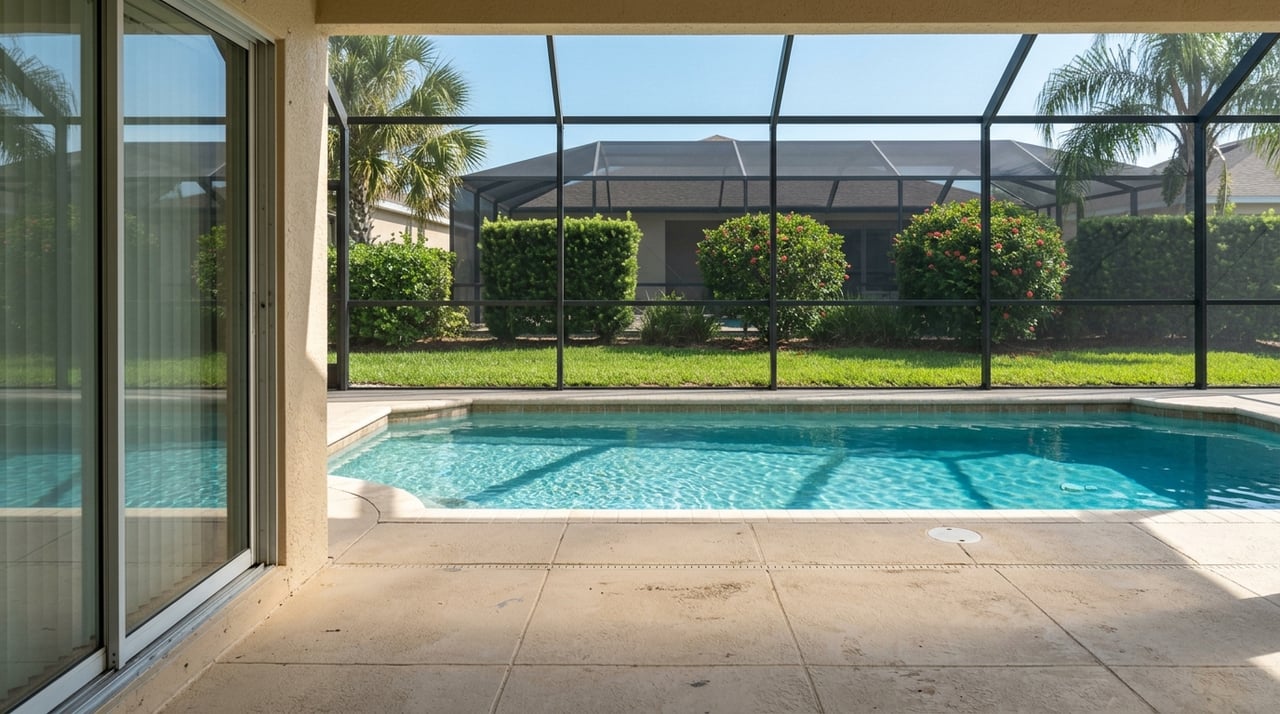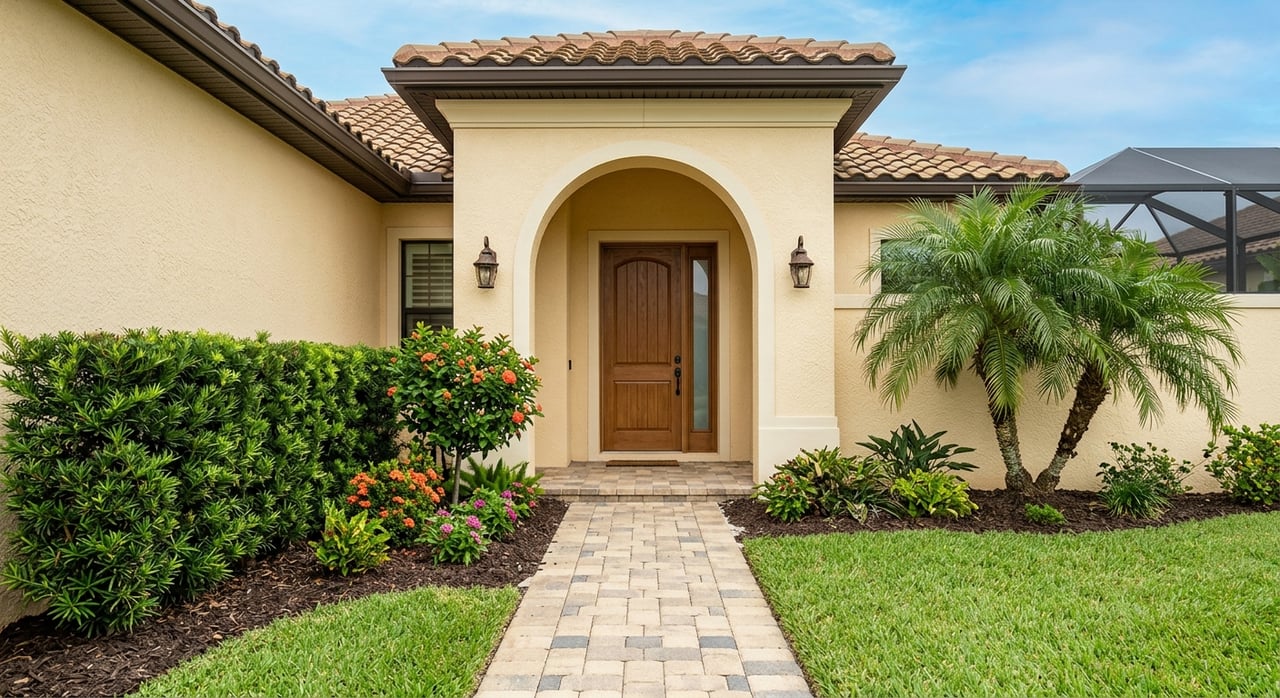
Love the idea of stepping onto the fairway minutes after coffee, but unsure what it really costs to buy in a golf community near University Park in Palm Beach County? You are not alone. Golf neighborhoods can be amazing, yet the layers of fees, memberships, and rules can catch buyers off guard. In this guide, you will learn how memberships work, what to budget beyond the mortgage, and which documents to review so you can buy with confidence. Let’s dive in.
Know your community and membership model
Choosing the right community starts with understanding how the club is structured. That structure determines your costs and the access you receive.
Community types near University Park
- Neighborhoods around public or semi‑private courses: The course may be open to the public, and club membership is usually optional.
- Master‑planned private club communities: The club may be independent or developer‑owned, with optional or mandatory memberships.
- Mandatory club membership enclaves: Buying a home requires joining the club and paying initiation and ongoing dues.
- Active‑adult golf communities: Age‑restricted neighborhoods often have different leasing and membership rules.
Membership models and access
- Equity clubs: You purchase an ownership interest with voting rights through an initiation fee. Transfer rules are specific to each club.
- Non‑equity clubs: Owned by a company or developer. Fees are contractual and there are fewer ownership rights.
- Resident vs non‑resident categories: Homeowners often have priority or different dues. Social or non‑resident levels may restrict golf access.
- Mandatory vs optional membership: Some communities require membership at closing. Others leave it up to you.
Why it matters: Mandatory or high‑cost memberships change your monthly budget and may narrow your future buyer pool. Equity vs non‑equity also affects what happens to initiation fees at resale and how rights transfer.
Budget for layered costs
Golf communities typically have multiple, overlapping fees. Plan for both the homeowners association and the golf club.
HOA vs club fees
- HOA/association dues cover neighborhood items like landscaping, roads, recreation areas, and security.
- Club dues and fees cover golf course operations, clubhouse services, and staff. These are usually separate from HOA dues.
- In some mandatory club communities, a portion of club costs may be collected through the HOA. Confirm the exact structure in the governing documents.
One‑time costs at closing
- Club initiation fee: A one‑time admission or equity purchase. Refundability depends on the club’s bylaws.
- Capital contribution: A one‑time payment to the HOA or club at transfer to support reserves or capital projects.
- Transfer and application fees: Charged when the HOA and club accounts are set up in your name.
Tip: Ask for a sample closing statement that shows every club and HOA transfer charge so there are no surprises.
Ongoing dues and minimums
- Monthly or annual club dues: Cover course and clubhouse operations.
- Food and beverage minimums: Many private clubs require a minimum spend on dining or services.
- Cart and storage costs: Consider cart rental, storage, charging, or registration fees.
- Special assessments: One‑time charges from the HOA or the club for major repairs or renovations. Review reserve studies to gauge risk.
Because fees vary widely by community and membership level, request the current fee schedule and a sample total annual cost for the membership you plan to use.
Carts, guests, and daily rules
Lifestyle details can shape your day‑to‑day experience as much as the course itself. Clarify policies before you buy.
Golf cart policies
- Who may drive: Check age and licensing rules, and whether non‑residents can drive.
- Registration and decals: Many communities require cart tags or stickers.
- Where carts can go: Cart paths only versus broader access within the community and nearby streets.
- Hours and curfews: Evening limits or maintenance windows are common.
- Safety and enforcement: Speed limits, intoxication rules, and penalties for violations.
- Storage and charging: On‑lot storage rules, charging restrictions, or centralized storage yards with extra fees.
- Insurance: Some communities require proof of cart insurance. Confirm how your homeowner policy treats cart incidents.
Guest access and play
- Sponsored guests: Limits on the number of guests and how often they can play.
- Guest fees and badges: Procedures for clubhouse access and green fees.
- Reciprocal play: Some clubs have reciprocal agreements with other clubs, which can add value.
- Parking and visitor rules: Check restrictions on guest stays and vehicles.
Rentals and use restrictions
- Leasing rules: Many Florida golf communities set minimum lease terms or limit the number of leases per year. Some do not allow short‑term rentals.
- Age restrictions: Active‑adult communities enforce occupancy rules that affect guests and renters.
- Enforcement: Review fine schedules and recent violation logs to understand how rules are applied.
Due diligence checklist
Before you remove contingencies, gather documents and ask targeted questions. A little homework goes a long way.
Documents to request
- HOA/Community: CC&Rs, bylaws, rules, current budget, audited financials, reserve study, 12–24 months of meeting minutes, notices of pending assessments, list of any outstanding violations, insurance certificates, developer transition plan if applicable, and an estoppel letter showing dues and delinquencies.
- Club: Membership agreement, current initiation and dues schedule by membership class, transfer and termination policies, capital contribution policy, history of special assessments, waitlist status, guest and cart policies, food and beverage minimums, reciprocal agreements, and any minutes or board reports that outline capital plans.
- Transaction: Required transfer forms, typical buyer closing costs tied to HOA and club, and a sample closing statement.
Questions to ask
- Is club membership mandatory for this property type, and what is the exact initiation or capital contribution due at closing?
- What membership levels are available to homeowners, and are there waitlists or caps?
- What fees are due immediately at closing, including pro‑rated dues, transfer, and registration fees?
- Have there been recent or planned special assessments, and are reserves adequate for major projects like course or clubhouse renovations?
- What are the cart rules, including ownership, registration, storage, permitted hours, age limits, and insurance requirements?
- What are the guest policies and tee time priorities for residents versus non‑residents?
- Is the club still under developer control, and if so, when does that end and what changes are expected?
- Is there any pending litigation involving the HOA or the club?
Red flags to watch
- Sparse reserves and repeated special assessments across the past few years.
- Meeting minutes that show recurring disputes about finances or rule enforcement.
- Unclear initiation fee refund policies, or confusion about whether resale credits go to the seller or the club.
- Lender concerns about special assessments or project eligibility, especially for condos.
Financing, resale, and insurance
Golf community structure can affect your loan approval and long‑term value. Plan ahead to protect your purchase.
Lending and qualification
- Lenders review HOA and condo documents for project eligibility. Large or unpredictable assessments can be a problem.
- Mandatory club dues and required minimums may be considered in your debt‑to‑income ratio, which can affect how much you qualify to borrow.
- Condos have additional project approval rules. Confirm early with your lender.
Resale and buyer pool
- Mandatory, high‑cost memberships can limit your pool of future buyers. Some shoppers want the golf lifestyle, while others avoid fixed club expenses.
- In Palm Beach County’s seasonal market, rental flexibility and amenity access for seasonal residents can impact demand.
- Well‑managed clubs with stable membership and clear capital plans tend to support property values better over time.
Insurance and taxes
- Confirm how HOA and club policies handle golf‑related liability on common areas. You may want added personal liability coverage, especially if you own a cart.
- Capital projects and special assessments are not treated like mortgage interest for tax purposes. Consult a CPA for advice on your situation.
Local tips for University Park buyers
- Laws and records: Florida Statutes Chapter 720 covers homeowners associations, including records and meetings. Ask for access to required documents and verify recorded covenants.
- County research: Use Palm Beach County property records to confirm parcel data, any special taxing districts, and recorded assessments.
- Municipal rules: Short‑term rental policies can vary by municipality. Confirm both county and city rules if the community lies inside a city boundary.
- On‑site visits: Tour the community in both peak season and off‑season. Watch activity levels, course maintenance, and how rules are enforced.
Your next step
If you want fairway living near University Park without budget surprises, bring a clear plan, the right documents, and a calm, expert guide. From fee structures to reserve studies, a detail‑driven approach will help you protect your lifestyle and your long‑term value. For a personalized buying strategy and introductions to the right local resources, connect with Fernando Viteri. Let’s make your next move smooth and stress‑free.
FAQs
What does mandatory club membership mean in Palm Beach County golf communities?
- It means your home purchase requires joining the club, paying an initiation or capital contribution at closing, and ongoing dues that continue as long as you own the property.
How much are initiation fees near University Park, and are they refundable?
- Fees vary widely by club and membership class; request the current fee schedule and ask whether any part of the initiation is refundable and how it transfers at resale.
Can I use my own golf cart in a University Park area community?
- Many communities allow private carts but require registration, proof of insurance, storage rules compliance, and adherence to age, speed, and path restrictions.
Are short‑term rentals allowed in golf communities around University Park?
- Policies vary by HOA and club; some prohibit short‑term rentals, while others set minimum lease terms and limits on the number of leases per year.
Will club dues affect my mortgage qualification in Florida?
- Yes, lenders may factor mandatory dues and minimums into your debt‑to‑income ratio, and condo projects may require additional underwriting checks.
What documents should I review before buying into a Palm Beach golf community?
- Ask for HOA CC&Rs, rules, budgets, financials, reserve studies, meeting minutes, estoppel letters, plus the club membership agreement, fee schedules, guest and cart policies, and any capital plans.
How do special assessments typically work in golf communities?
- Both the HOA and the club can levy special assessments for major projects or shortfalls; review reserve studies and recent budgets to gauge the likelihood and size of assessments.