Thinking about moving to South Florida from another state and wondering if University Park in Boca Raton is the right fit? For many buyers, the challenge is not just choosing a home. It is figuring out how to evaluate an older neighborhood, manage a mostly remote purchase, and make smart decisions without being on the ground every day. This guide walks you through what to know about relocating to University Park, what kind of homes you can expect, and how to make your move more streamlined and confident. Let’s dive in.
Why University Park Appeals to Relocating Buyers
University Park, identified by the City of Boca Raton GIS as University Park CC Estates, is best understood as an established central Boca Raton neighborhood rather than a newer edge-of-town development. That central location is a big reason out-of-state buyers put it on their shortlist, especially if you want convenient access to daily essentials and regional transportation. You can review the area context through the City of Boca Raton GIS mapping resources.
Recent neighborhood guides also place University Park near Town Center at Boca Raton, Restaurant Row, Florida Atlantic University, Lynn University, I-95, Brightline access, and the Boca Raton Airport. According to this University Park neighborhood overview, that makes the area especially practical if you travel often, split time between states, or want easier access to the broader Boca Raton corridor.
What Homes Are Like in University Park
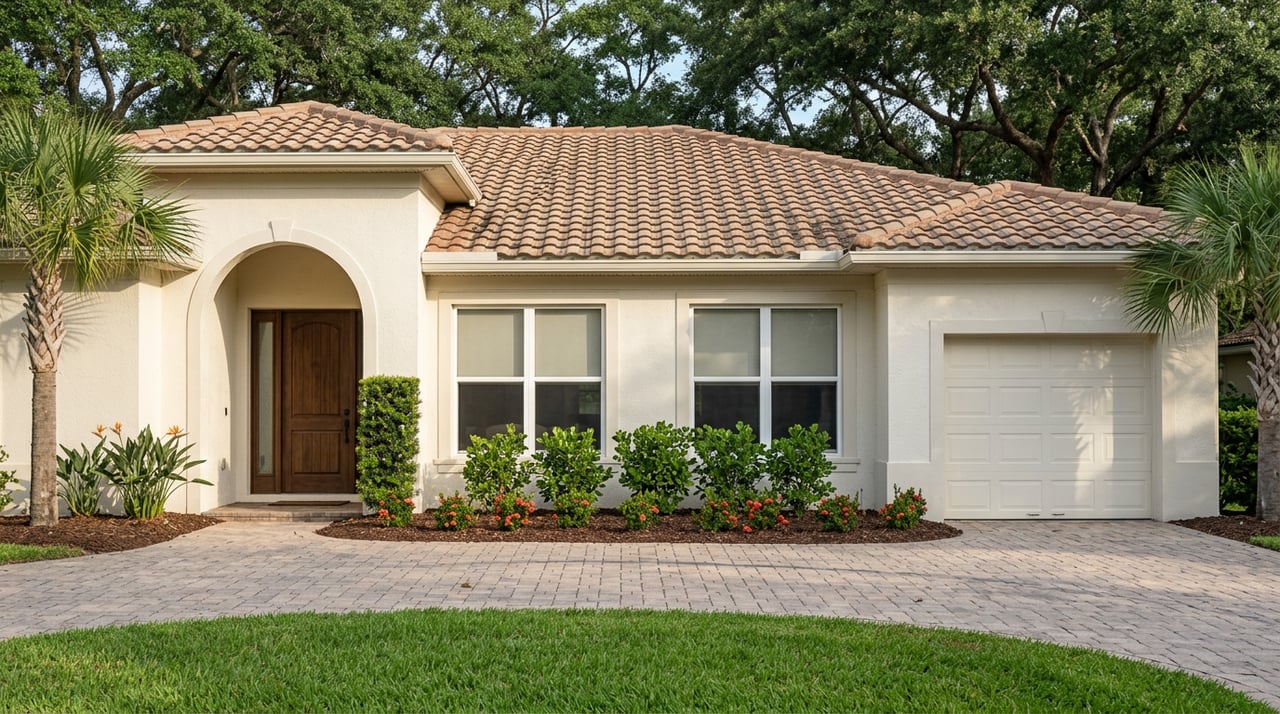
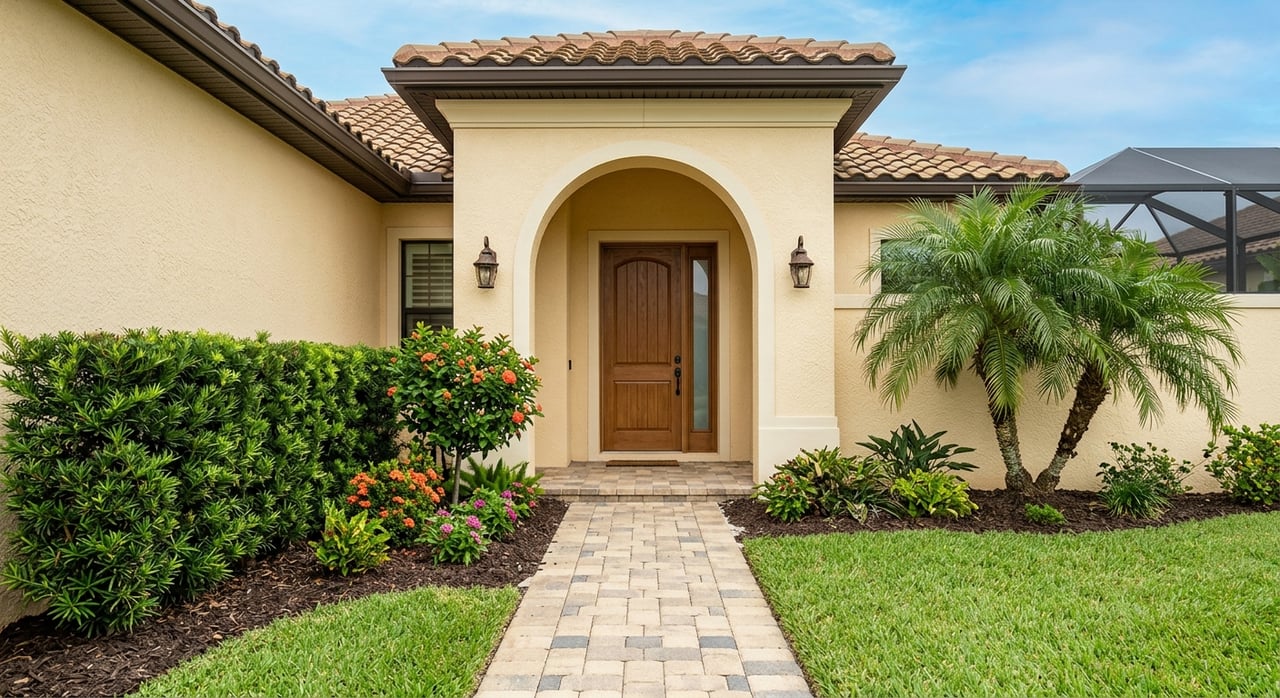
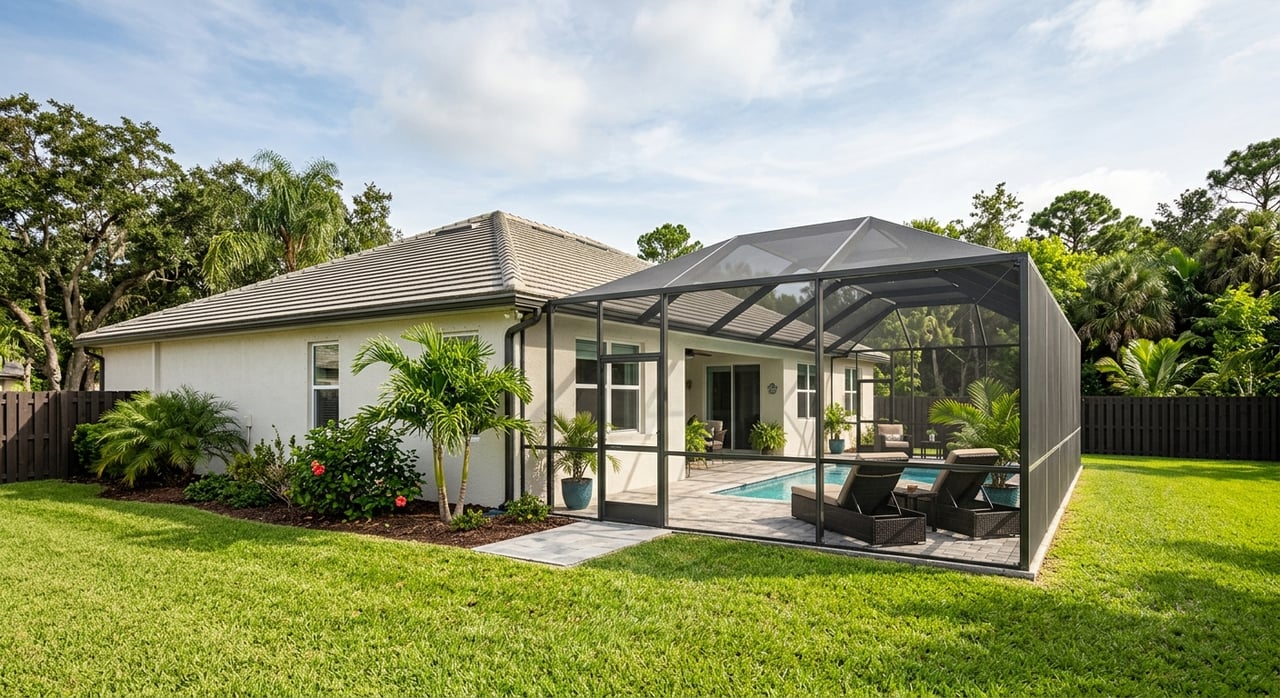
If you are relocating from out of state, it helps to know that University Park is not a one-size-fits-all neighborhood. Current listings in University Park Country Club Estates show a mostly single-family, ranch-style housing stock with examples ranging from about 1,375 to 2,218 square feet. Many homes offer 3 to 4 bedrooms, typically around 2 bathrooms, and build dates from the 1960s into the early 1970s, based on recent listing examples in the neighborhood.
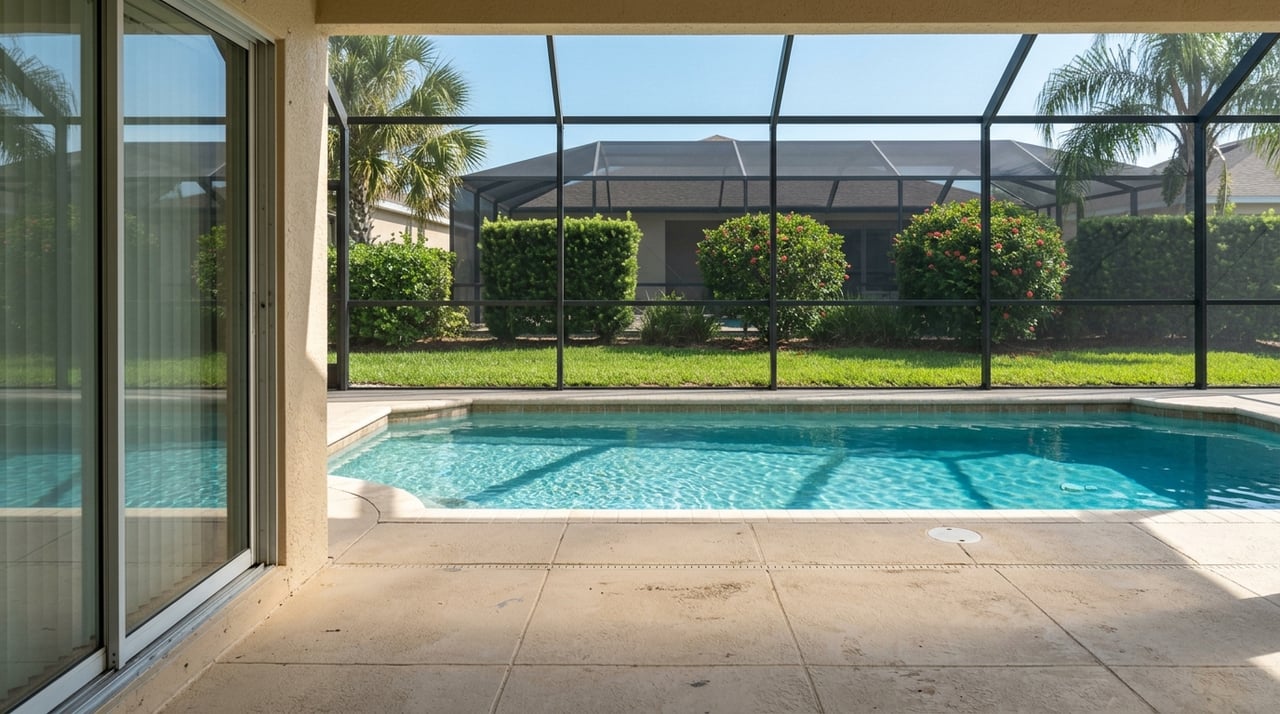
You may also see features that appeal to buyers making a long-distance move, such as fenced yards, screened or inground pools, impact glass, and two-car parking. Some listing pages also note no HOA fee or HOA restrictions, which can be a meaningful advantage if flexibility matters to you.
Why Condition Matters More Than Age Alone
Because much of the neighborhood housing stock dates from 1961 to 1973, you should expect meaningful variation from one property to another. One home may be extensively updated, while another may still reflect older systems, finishes, or prior renovations. That does not make older homes a problem, but it does mean your decision should be based on the specific property rather than assumptions about the neighborhood as a whole.
For out-of-state buyers, this is where process matters. Virtual tours and listing photos are helpful, but they cannot replace careful due diligence. In a neighborhood with older homes and mixed upgrades, inspections, permit review, and clear property-specific questions become especially important before you move forward.
How To Buy Remotely With More Confidence
A relocation purchase can absolutely be handled mostly remotely, but the smoothest transactions usually rely on structure. Florida’s standard residential contract gives buyers an inspection period that is defined in the contract and defaults to 15 days if left blank. The contract form allows buyers to order general, wood-destroying organism, and permit-related inspections during that period, which is why it is smart to schedule inspections immediately after your offer is accepted. You can see that framework in the Florida Realtors and Florida Bar residential contract form.
If you are purchasing from another state, a few habits can make the process much easier:
- Ask for detailed video tours that show both finishes and function
- Use a local inspector who knows older South Florida homes
- Review permit history and improvement details early
- Keep documents organized in a secure digital portal
- Confirm closing steps well before the final week
Understand the Closing Timeline
When you are relocating, timing matters almost as much as the home itself. Florida Realtors notes that the final walk-through is usually completed 24 to 72 hours before closing, while the Consumer Financial Protection Bureau says buyers must receive the Closing Disclosure three business days before closing. The CFPB also recommends contacting your lender or closing agent at least a week before closing to confirm how that disclosure will be delivered. These details are outlined in Florida Realtors’ final walk-through guidance and the CFPB’s closing document checklist.
The CFPB also warns buyers to be alert to wiring-change scams near closing. If you are moving from out of state and handling much of the process digitally, that point is worth taking seriously. Always verify wire instructions through a trusted phone number you already know, not from a last-minute email.
Can You Close Remotely in Florida?
In many cases, yes. Florida law supports online notarization when the lender and title company allow it. Under Florida’s online notarization framework, the principal and witnesses may be remote while the online notary is physically located in Florida, as described in Florida Chapter 117, Part II.
That does not mean every transaction will be fully remote in the same way, but it does mean out-of-state buyers may have more flexibility than they expect. If remote closing is important to you, confirm that option early with your lender and closing team so there are no surprises as the transaction moves forward.
School Zoning Should Always Be Verified
If schools are part of your relocation planning, be careful about relying on third-party listing pages alone. Current neighborhood and listing pages commonly associate homes in the area with schools such as Blue Lake or Calusa Elementary, Omni Middle, and Spanish River Community High, but attendance boundaries can change.
The safest approach is to verify the exact address through the Palm Beach County School District. The district offers attendance-boundary maps and a Find My School tool through its GIS map catalog. For families moving from outside the United States, the district also operates a Welcome Center with interpreter and translation support, along with enrollment assistance for zoned schools.
Tax and Administrative Items To Plan For
Once you close, there are still a few important follow-up items to keep on your checklist. If the home will be your permanent residence, the Palm Beach County Property Appraiser says the homestead exemption can reduce assessed value, but it must be filed by March 1 of the year you want to qualify. The office also notes that buying a new home generally means you need to file for the exemption or port any eligible homestead savings to the new property through the Palm Beach County Property Appraiser exemption page.
If you are an international buyer, there may also be cross-border tax considerations. The IRS explains that when U.S. real property is acquired from a foreign person, the buyer or other transferee is generally the withholding agent under FIRPTA and typically must withhold 15% of the amount realized, subject to exceptions. You can review the rule on the IRS FIRPTA withholding page. This is an area where your tax adviser and closing professionals should guide you.
A Smart Relocation Strategy for University Park
If you are moving to University Park from out of state, the strongest approach is simple: focus on location, verify condition, and build a reliable local team. The neighborhood offers the appeal of central Boca Raton access, established single-family housing, and practical connections to shopping, dining, universities, and major transportation routes.
At the same time, older housing stock means every home deserves a closer look. When you pair strong local guidance with prompt inspections, secure digital communication, and early planning around closing and administrative details, you can make a long-distance move feel much more manageable.
If you want a trusted advisor to help you navigate relocation decisions with clarity and personal attention, Fernando Viteri is here to help you take the next step with confidence.
FAQs
What is University Park in Boca Raton like for out-of-state buyers?
- University Park is an established central Boca Raton neighborhood with convenient access to Town Center at Boca Raton, major roads, universities, and regional transportation, which can make it appealing for buyers relocating from another state.
What types of homes are common in University Park Boca Raton?
- Recent listings show mostly single-family ranch-style homes, often with 3 to 4 bedrooms, around 2 bathrooms, and build dates from the 1960s to early 1970s, with features that may include pools, fenced yards, impact glass, and two-car parking.
Why are inspections especially important in University Park Boca Raton?
- Because the neighborhood includes older homes with varying levels of updates, inspections help you evaluate each property’s actual condition, systems, and permit history instead of assuming all homes offer the same level of renovation or maintenance.
Can you buy a home in University Park Boca Raton remotely?
- Yes, much of the process can be handled remotely when you use detailed video tours, a local inspection team, secure digital documents, and a title company and lender that support Florida remote closing procedures.
How do you verify school zoning for a University Park Boca Raton address?
- You should verify the exact property address through the Palm Beach County School District’s attendance tools rather than relying only on listing websites, since school boundaries may change.
What should new homeowners know about homestead exemption in Palm Beach County?
- If the property will be your permanent residence, you may qualify for homestead exemption, and the filing deadline is March 1 of the year you want the exemption to apply.