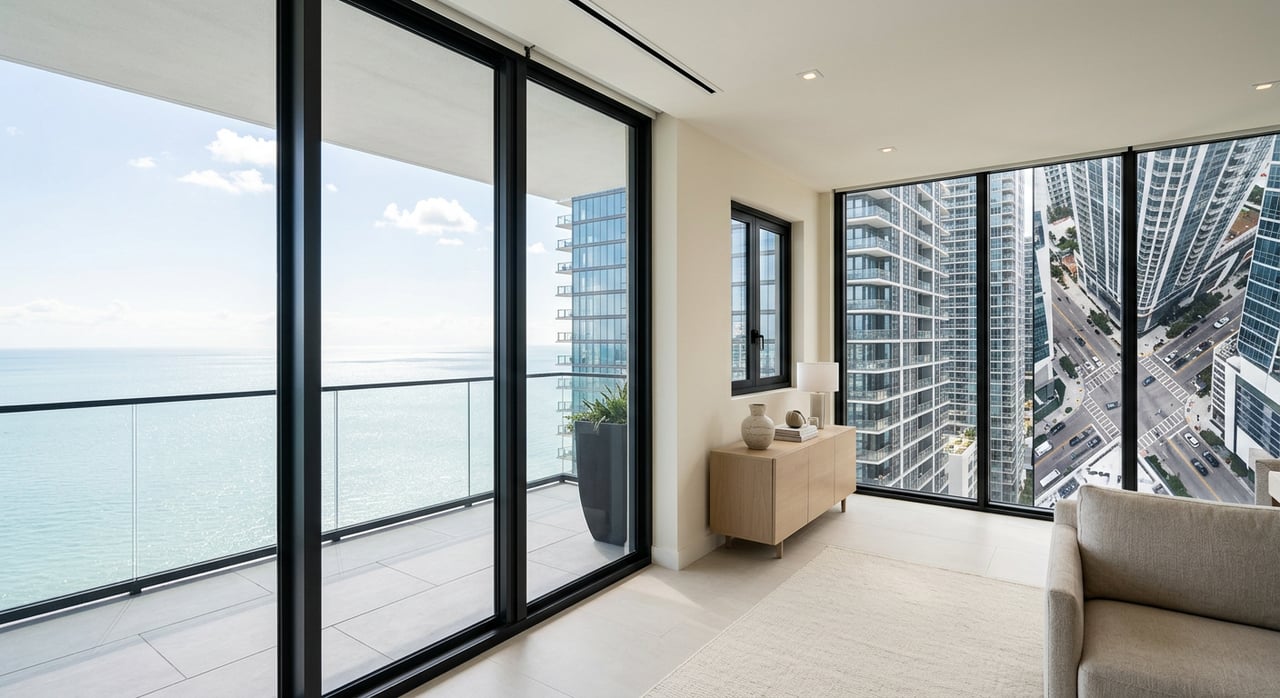
Water or skyline? In Downtown Sarasota, the right view shapes your daily life as much as your floor plan. You might picture sunsets over the bay with boats gliding by. Or you may want the energy of Main Street, theaters, and lights at night. In this guide, you will learn how bayfront and city-facing condos differ on price, lifestyle, noise, risk, and long-term costs, plus a clear due diligence checklist you can use before you make an offer. Let’s dive in.
Downtown Sarasota views at a glance
Bayfront-facing condos cluster along Sarasota Bay near Bayfront Park and Marina Jack, within The Quay district, and around Golden Gate Point. Many newer luxury towers in these zones are designed to maximize water views and sunset exposure.
City-facing condos line corridors like Main Street, the Rosemary District, and Boulevard of the Arts. If you want short walks to dinner, galleries, and shows, you will often find better access one to several blocks inland.
Both settings keep you in the heart of downtown. Your choice comes down to the view and how you like to spend your days and nights.
Price patterns and the view premium
Downtown Sarasota is a premium submarket. Recent reports place the downtown median sold price around 1.17 million dollars with about 755 dollars per square foot across all building types and orientations. You can use this as a baseline while you compare individual buildings and views. See the latest neighborhood snapshot in the Downtown Sarasota market report.
In general, bayfront towers carry a clear view premium, with multi-million-dollar listings common in new or brand-name buildings and very high per-square-foot prices on upper floors and corner exposures. City-facing units in similar footprints often trade at lower prices and may offer more options under the median for the neighborhood, depending on the building and amenities.
Key takeaway: you usually pay more for a direct water view, a high floor, and resort-style services. If budget is firm, a city-facing unit can deliver downtown living with a lower entry price and, in some buildings, lower monthly fees.
How daily life feels
Light and vistas
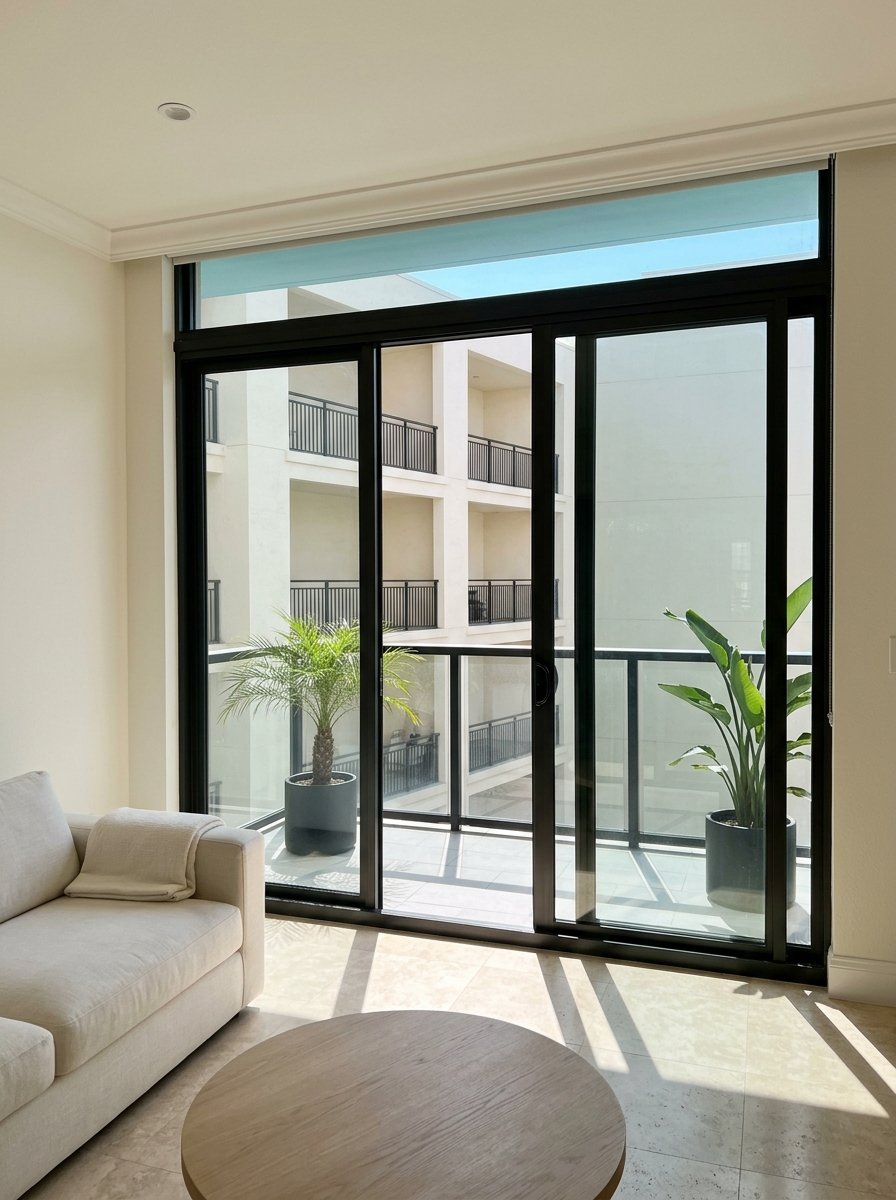
Bayfront condos tend to offer broad western or southwestern exposures with dramatic sunsets over the water and the Ringling Bridge. Floor-to-ceiling glass and large terraces are common in these buildings, framing the bay as the main event.
City-facing condos lean into skyline and streetscapes. East and south exposures can bring warm morning light, while nighttime city lights create a lively scene. On higher floors you may still catch partial water corridors, depending on the block and orientation.
Ambiance, activity, and noise
On the waterfront, you will feel sea breezes and see boats, with activity around Bayfront Park and Marina Jack. Concerts and outdoor events along the bay can add a festive feel, especially on weekends. For a taste of typical programming, explore downtown’s live music and events options.
In the urban core, restaurant patios, bars, and weekend crowds can energize the street. Some blocks stay lively late. Concerns about late-night activity have come up in local reporting, which is a reminder to check a building’s exact location and floor when noise sensitivity matters. Read about the broader context in the local discussion of downtown nightlife and licensing.
Practical tip: higher floors and side-street orientations often reduce street-level sound. Always visit a target unit during both quiet and peak times before committing.
Building types and HOA costs
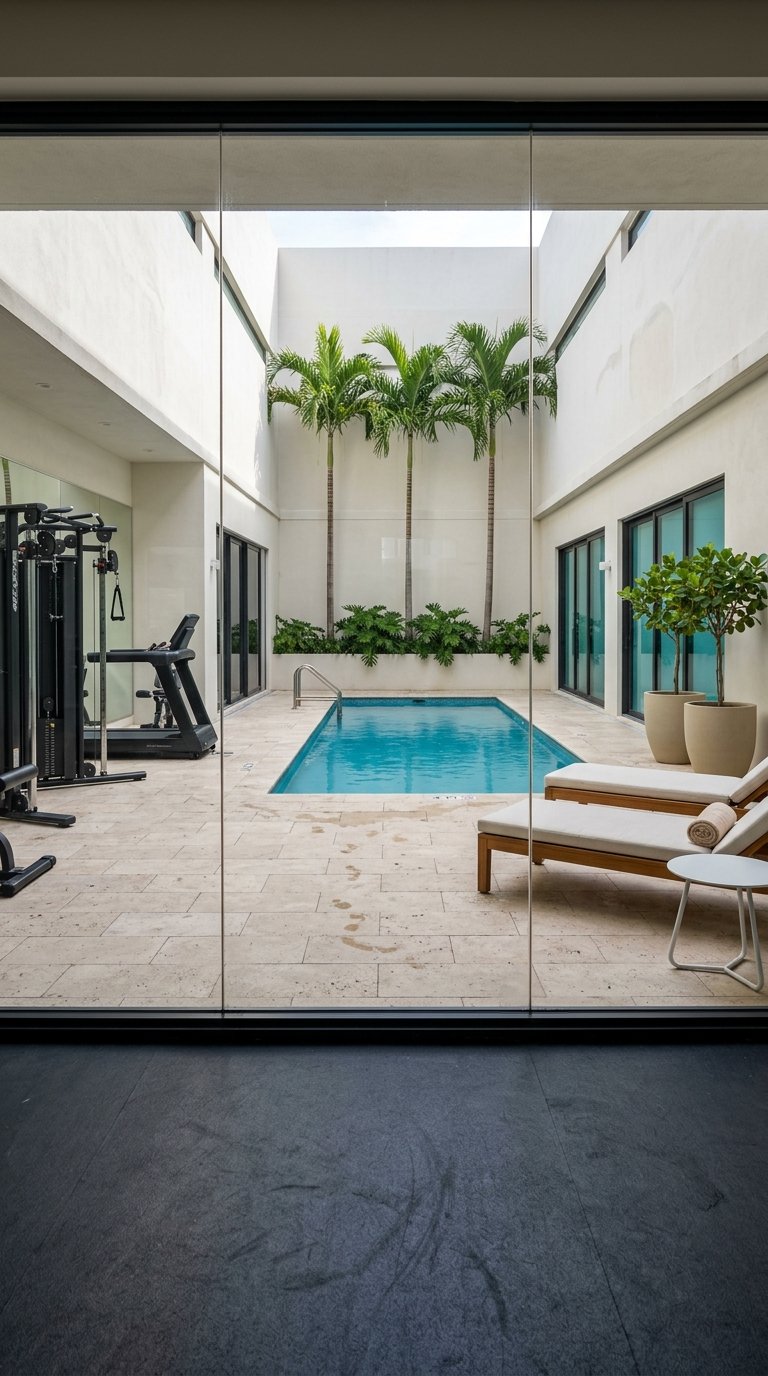
Bayfront towers are often newer, luxury-oriented, or low-density ultra-luxury buildings. Typical amenities include concierge or valet, resort pools with water views, fitness and spa facilities, and proximity to marina services. These features are a draw if you want a resort-like lifestyle.
Those amenities also raise monthly HOA dues because staff, security, complex mechanical systems, and coastal maintenance add costs. In general, buildings with more services and facilities have higher common charges. For a plain-language overview of how HOA fees work, see this consumer guide on what HOA fees usually cover.
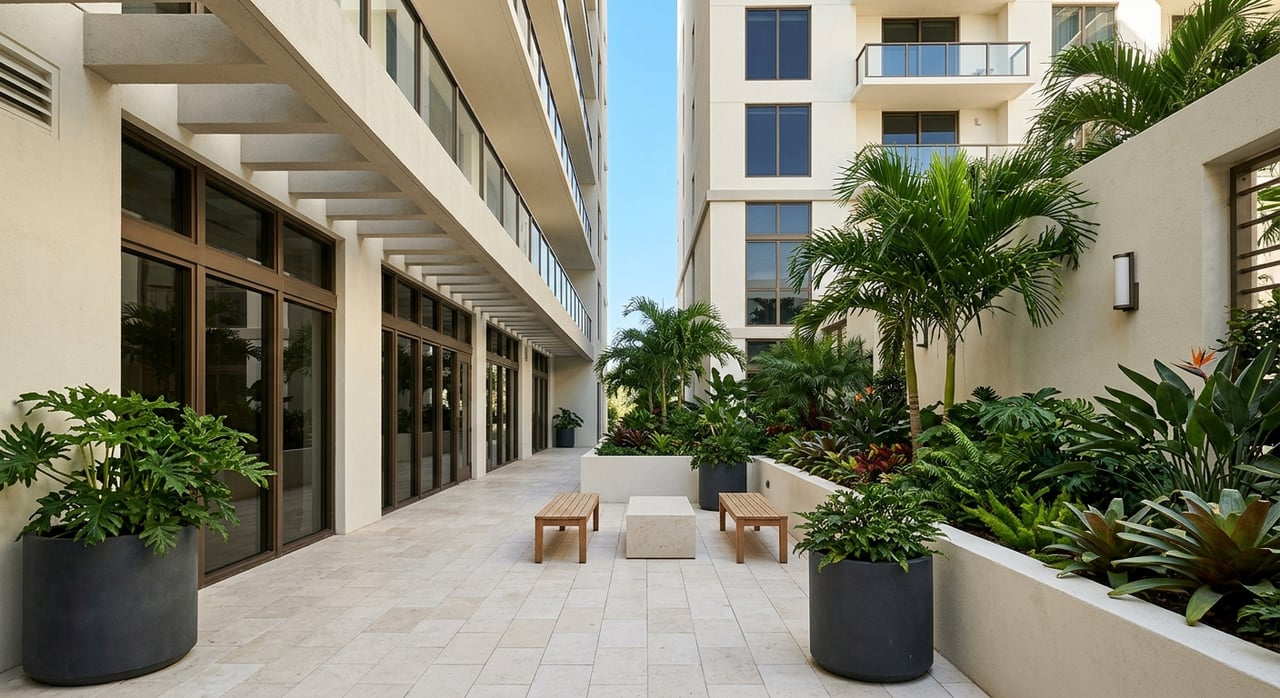
City-facing buildings range from boutique mid-rises with lean amenity sets to full-service high-rises. Many have secure entry, gyms, lounges, and pools without marina or seawall obligations. As a result, you may see lower HOA dues in some inland buildings of similar size, but always compare line by line.
Flood, insurance, and long-term maintenance
Waterfront beauty comes with coastal realities. You want to understand flood zones, insurance, and building maintenance plans before you buy.
- Flood zones and insurance. Start by checking a property’s flood map panel in FEMA’s official Map Service Center. Waterfront addresses are more likely to be in higher-risk zones. Condominium associations in Special Flood Hazard Areas often carry a master flood policy called an RCBAP. Ask for the policy, coverage limits, and what you must carry as a unit owner. Learn the basics from FEMA’s overview of Residential Condominium Building Association Policies and the City’s Sarasota flood information.
- Future water and infrastructure. For a long-horizon view, explore NOAA’s Sea Level Rise Viewer and ask the association about any resilience planning for seawalls or adjacent public improvements.
- Salt-air corrosion and reserves. Coastal chlorides speed up corrosion of concrete reinforcement and metal components, which can drive major repairs and special assessments over time. This is a known issue in marine environments. If you are considering a waterfront building, review recent engineering reports and reserve studies closely. For background on why this matters, see research on chloride-induced corrosion in coastal structures.
Seasonality and timing your visits
Downtown Sarasota has a pronounced winter and early spring season when visitors and part-time residents arrive. Expect busier restaurants, fuller event calendars, and more pedestrian traffic from January through April. If you prefer quiet, scouting a unit in both peak and off-peak periods will help you assess fit.
Event schedules also vary by location. Waterfront concerts and festivals can add sound and foot traffic. Urban-core blocks near restaurants can be lively late. A quick check of event calendars and a nighttime visit can tell you a lot before you commit.
Which view fits you best
Choose bayfront if you:
- Want daily water and sunset views.
- Value easy access to marina services and a resort-like amenity set.
- Accept a higher purchase price and potentially higher HOA and insurance costs.
Choose city-facing if you:
- Prioritize walkability to restaurants, theaters, and galleries.
- Prefer a more urban, energetic vibe day and night.
- Want more options under the median price point or with leaner monthly dues.
Due diligence checklist for Sarasota condos
Use this quick list to compare buildings and protect your investment.
- Confirm the view. Tour at sunset for west-facing bay exposure and mid-day for glare and privacy. Ask for floor plans that show terrace orientation and note any planned nearby construction that could affect sightlines.
- Run flood checks. Look up the address in FEMA’s Map Service Center. Then visualize future scenarios with NOAA’s Sea Level Rise Viewer.
- Verify insurance. Ask the association for the current RCBAP or private master flood policy. Confirm owner responsibilities for interior finishes and contents. See FEMA’s RCBAP guidance for definitions.
- Review HOA financials. Request the annual budget, reserve study, and recent meeting minutes. Look for past or pending special assessments, especially for exterior envelope, garage, or seawall work. For context on what dues typically fund, review how HOA fees work.
- Inspect maintenance history. Ask for recent engineering or structural reports, waterproofing, balcony, pool deck, roof, garage, and elevator service logs. For waterfront buildings, understand concrete remediation history and timelines. Learn why this matters from research on coastal corrosion risks.
- Audit noise and activity. Visit at quiet times and at peak periods. Check HOA minutes for noise-related complaints. Review event calendars for Bayfront and downtown venues, such as live music and outdoor events.
- Confirm operations and rules. Verify parking, storage, any boat-slip rights, marina policies, rental rules, and transfer or initiation fees.
Next steps
If you want water on your doorstep, a city vibe, or a smart balance of both, the right guidance will help you buy with confidence. A local expert can help you match building profiles to your goals, benchmark fair pricing by view and floor, and stress test HOA and insurance details before you commit. When you are ready, reach out to Fernando Viteri for a private consultation and a tailored shortlist of downtown Sarasota condos that fit your lifestyle and budget.
FAQs
What is the typical price difference between bayfront and city-facing condos in Downtown Sarasota?
- Downtown’s median is about 1.17 million dollars and 755 dollars per square foot, and bayfront units often trade above that due to view and amenity premiums, while city-facing units may offer lower entry points depending on building and floor.
How noisy are bayfront condos near Marina Jack and Bayfront Park?
- Expect more daytime and early evening activity from concerts and waterfront events, especially on weekends, which can be audible on lower terraces and closer-in buildings.
Are city-facing condos on Main Street loud at night?
- Some blocks with restaurants and bars can be lively late, but higher floors and side-street orientations usually reduce street-level noise; visit at peak hours to gauge fit.
What flood insurance should I ask about when buying a condo downtown?
- Ask the association for the master flood policy and whether it is an RCBAP, confirm coverage limits and deductibles, and check your lender’s requirements for interior and contents coverage.
Do bayfront buildings have higher HOA fees than inland buildings?
- Often yes, because concierge services, resort pools, security, mechanical systems, and coastal maintenance increase operating costs compared with leaner amenity sets inland.
How can I check a building’s long-term maintenance risk near the bay?
- Request recent engineering and structural reports, look for past concrete or waterproofing projects, and review reserves to ensure funding matches expected coastal wear.
What is the best way to verify a view before I buy?
- Tour the unit at different times of day, study the floor plan and terrace orientation, and ask about nearby development that could change sightlines or introduce glare or privacy issues.